
What this program makes possible
The agriculture program is not just about growing crops. It is about helping families move closer to stable food supply, stronger routines, and more local control over everyday needs.
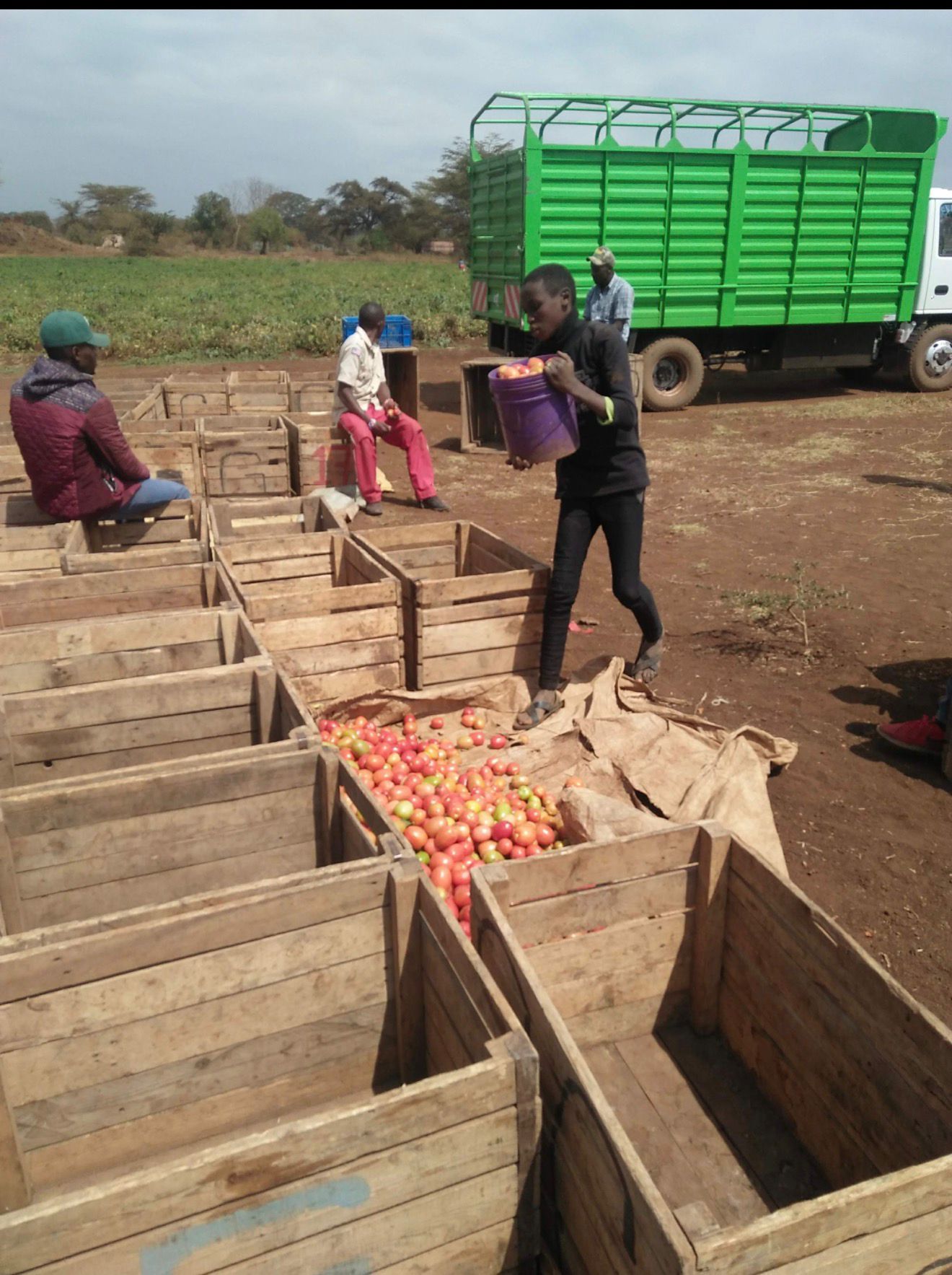
These photos show a program grounded in real work: cultivating the land, caring for crops, harvesting produce, packing it well, and creating better pathways from farm to use or market.
Farming support addresses production, harvest handling, and local food access.
The farming program focuses on practical crop production that helps communities strengthen household food supply close to home.
Sorting, crate handling, and timely transport matter just as much as planting because they protect what has already been grown.
When produce can be harvested, packed, and moved well, it becomes a stronger source of livelihood and local resilience.
The work follows a practical cycle, from planting and crop care to harvest and distribution.
Land is put to productive use through cultivation, planting, and regular crop care.
Daily attention to the fields helps crops stay healthy through the season.
Produce is collected, graded, and placed into crates to protect quality and reduce waste.
Once packed, produce can be distributed, consumed, or sold in ways that strengthen the wider community.
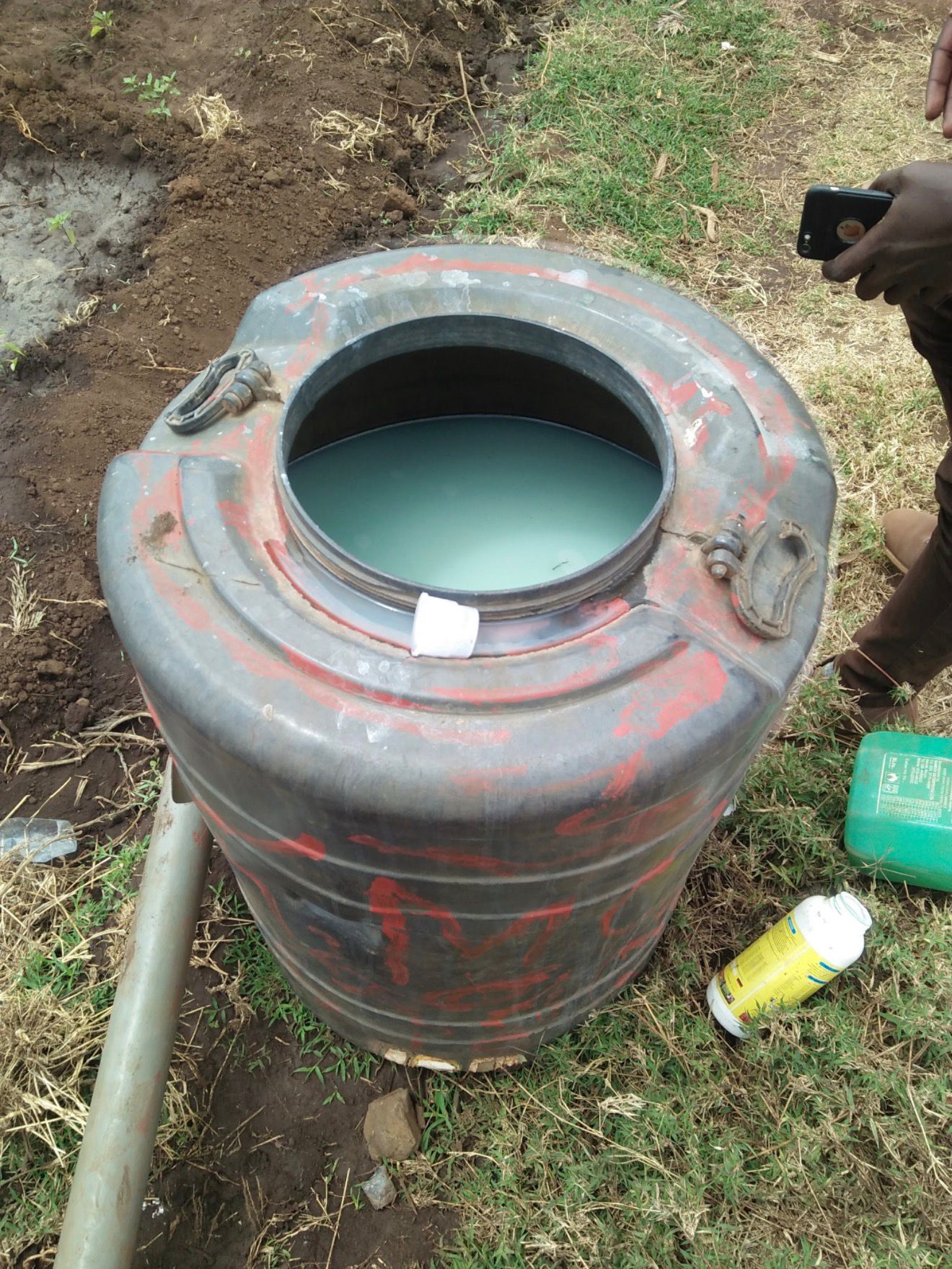
A water tank and irrigation supplies support watering work, helping crops survive through dry conditions.
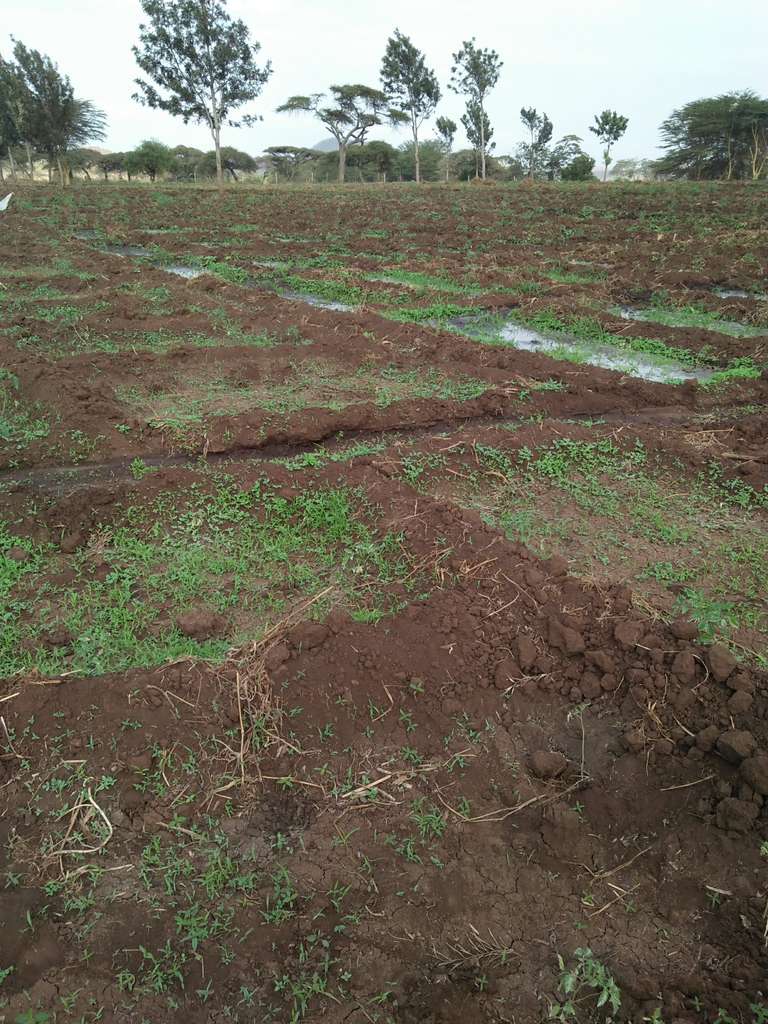
Small plants are spread across prepared soil, marking the start of a new growing cycle.
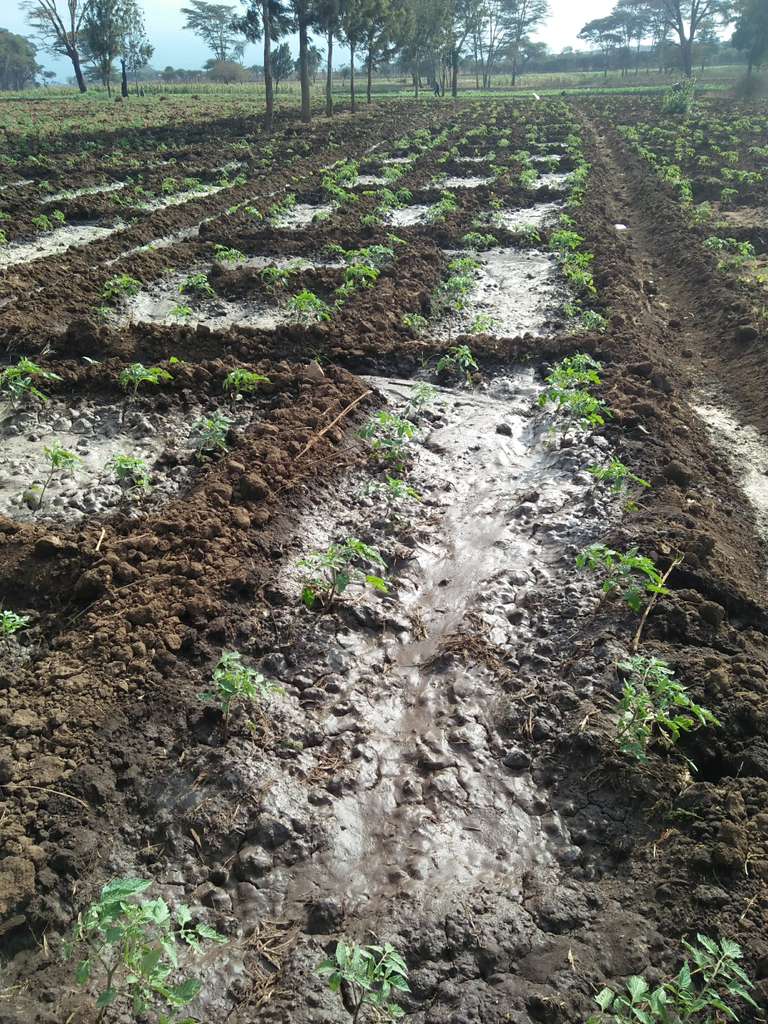
Muddy rows show the field after watering or rain, with furrows shaped to guide growth and moisture.
These images document different stages of the farming work, from field preparation and crop care to harvesting and transport.
Fresh tomatoes are arranged in wooden crates beside a farm truck, ready for loading and transport.
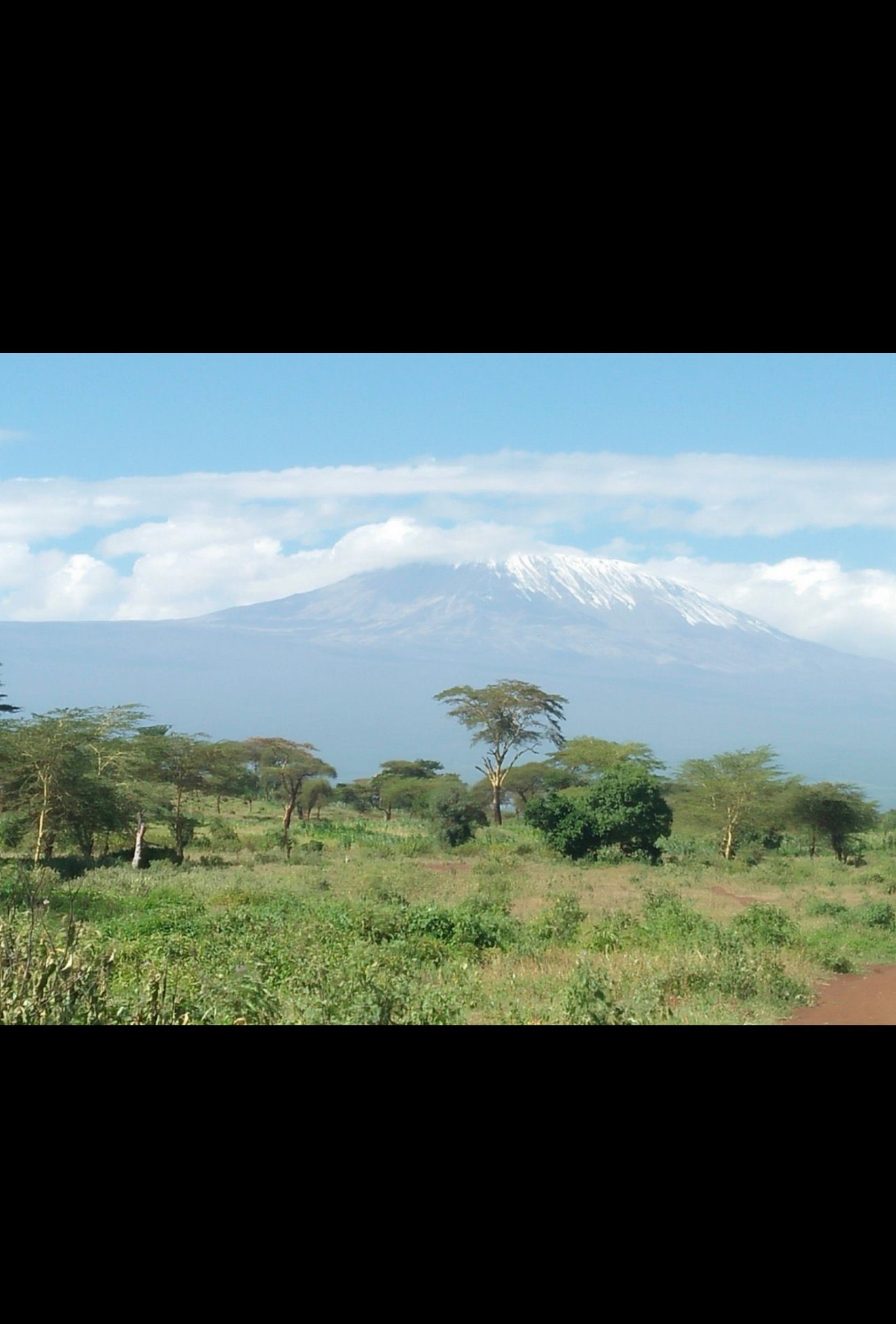
The wider farming area shows open land, nearby hills, and the rural setting where the agriculture work takes place.
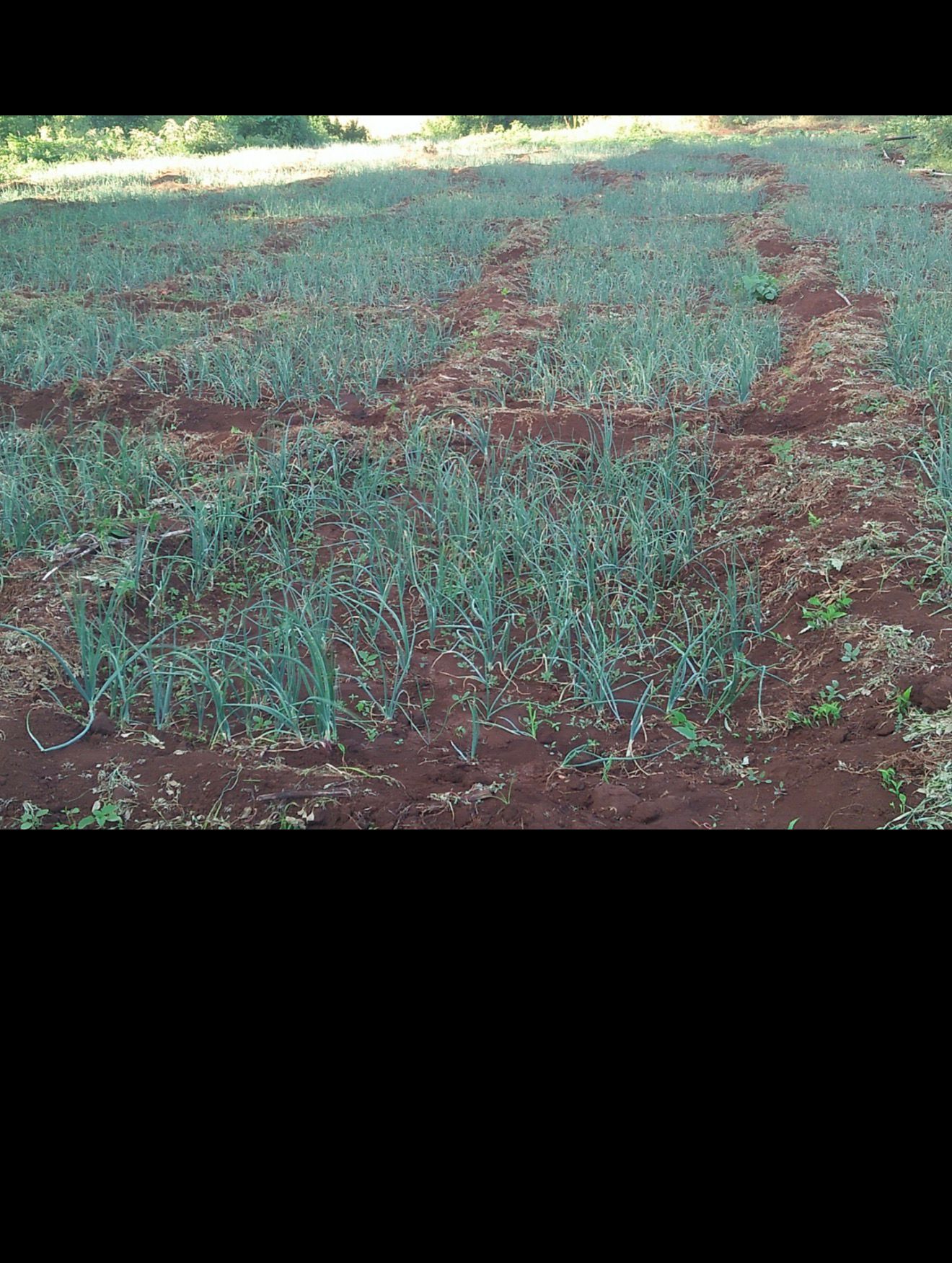
Newly planted rows are beginning to establish, showing the early stage of crop growth after field preparation.
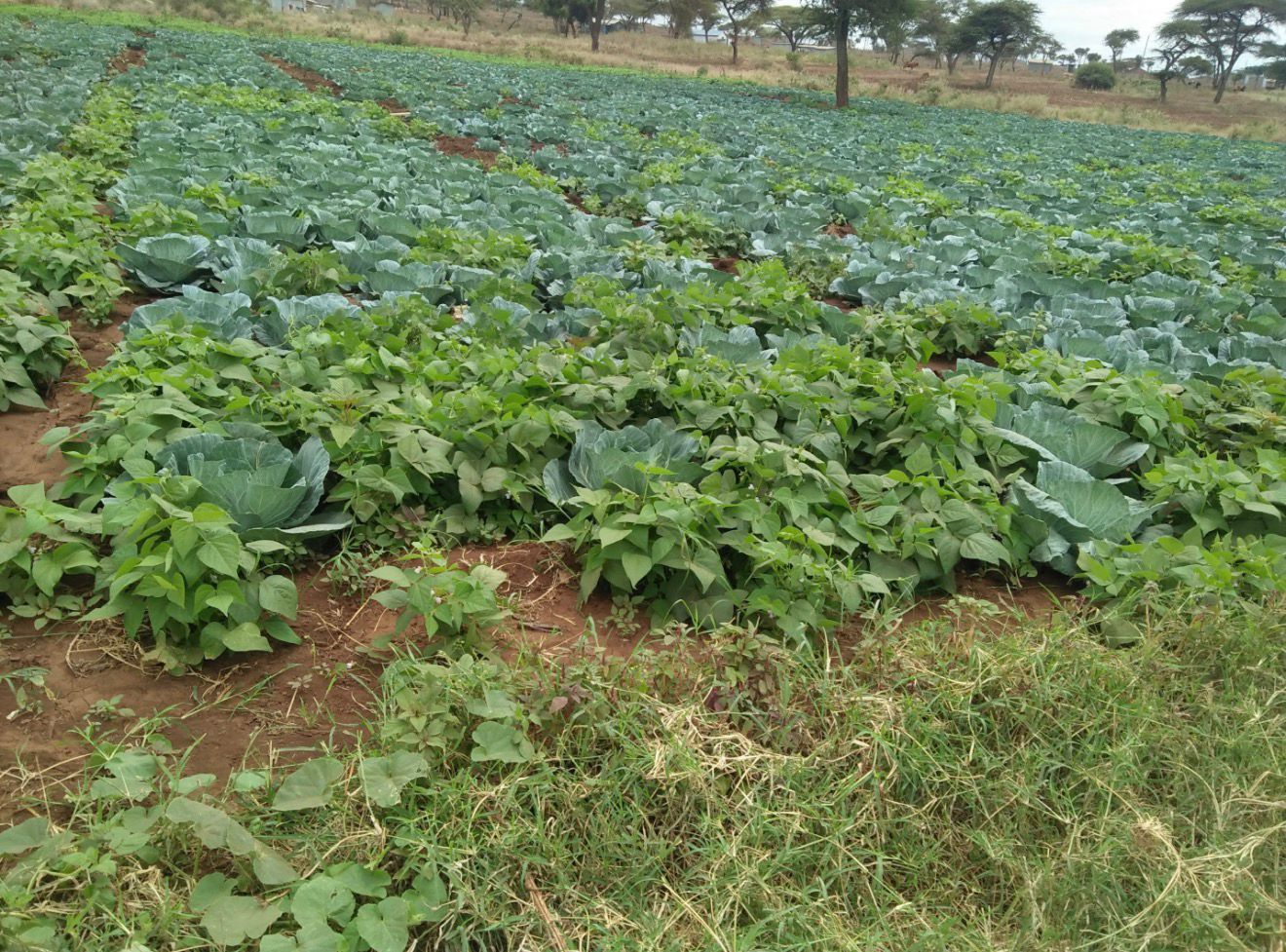
A healthy green vegetable plot fills the field, showing active food production and steady crop care.
A water tank and irrigation supplies support watering work, helping crops survive through dry conditions.
Small plants are spread across prepared soil, marking the start of a new growing cycle.
Muddy rows show the field after watering or rain, with furrows shaped to guide growth and moisture.
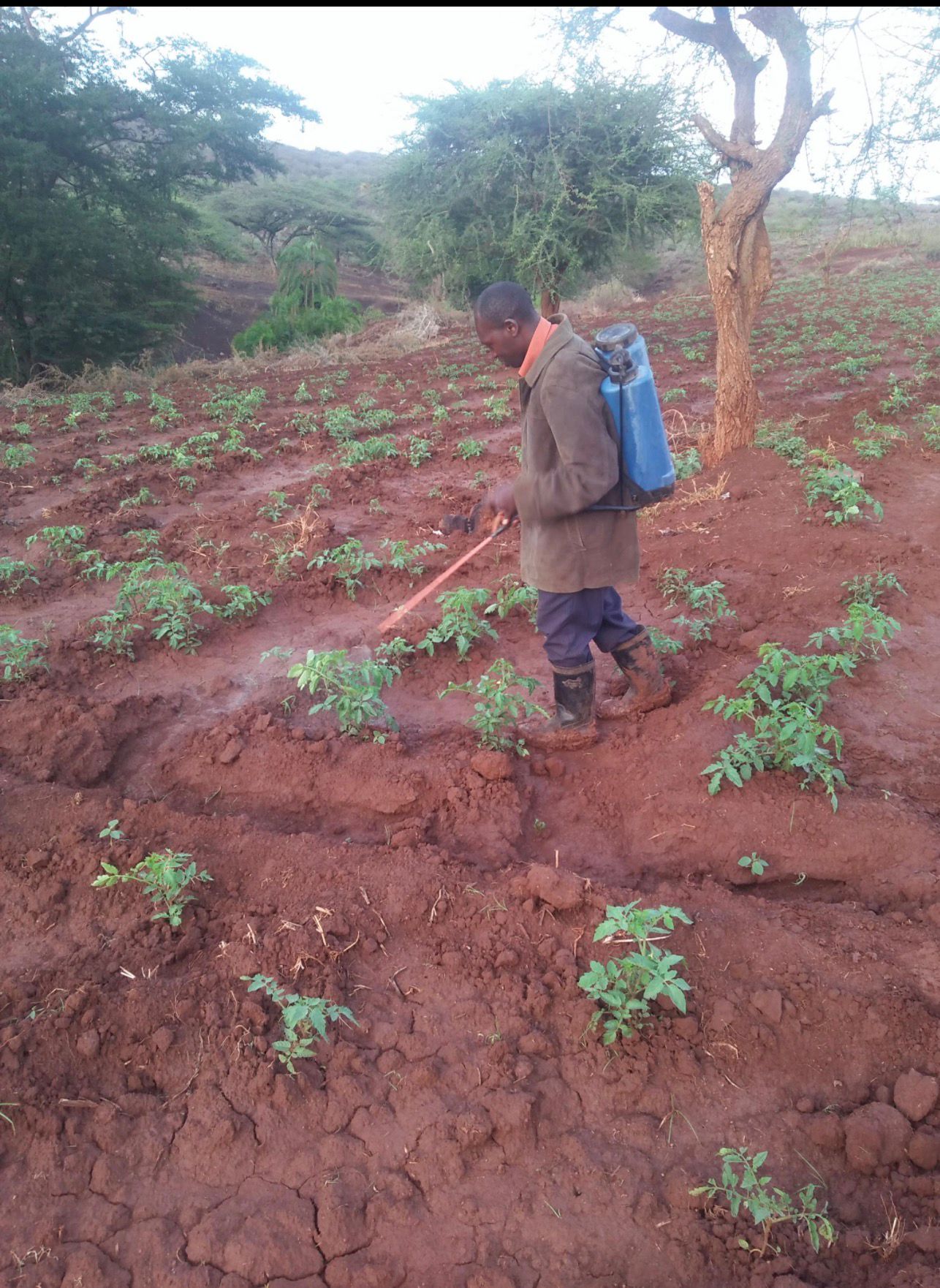
A farmer works among young plants in red soil, caring for the crop during its early growth stage.
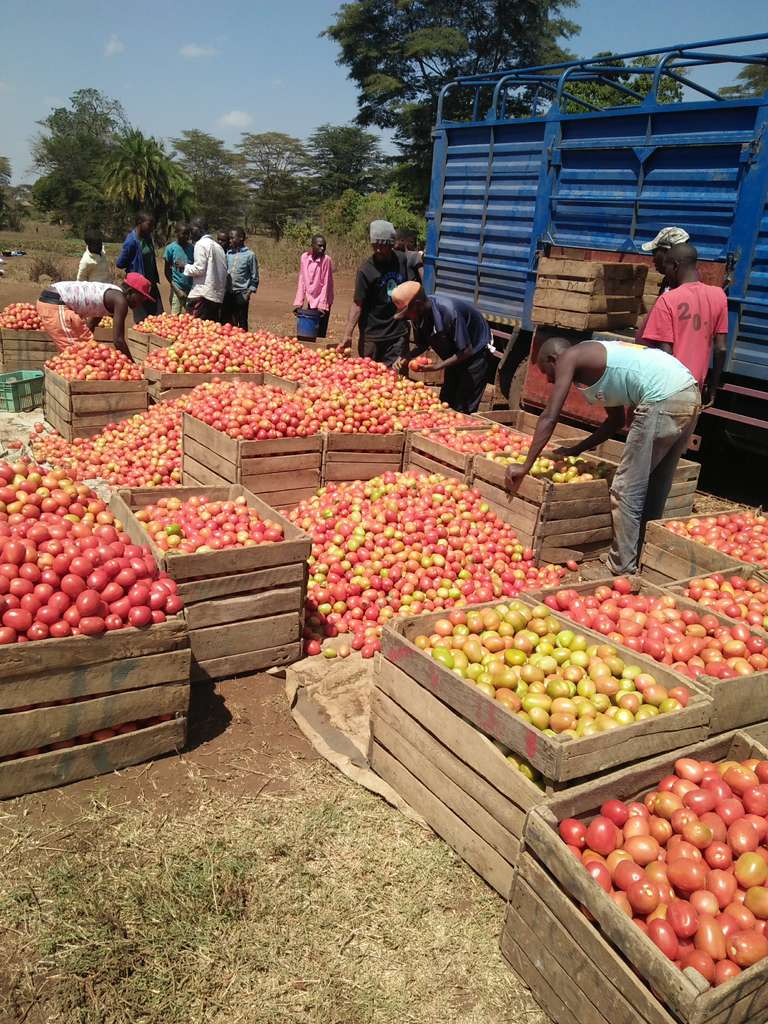
Workers gather around crates of tomatoes as the harvest is prepared for movement from the farm.
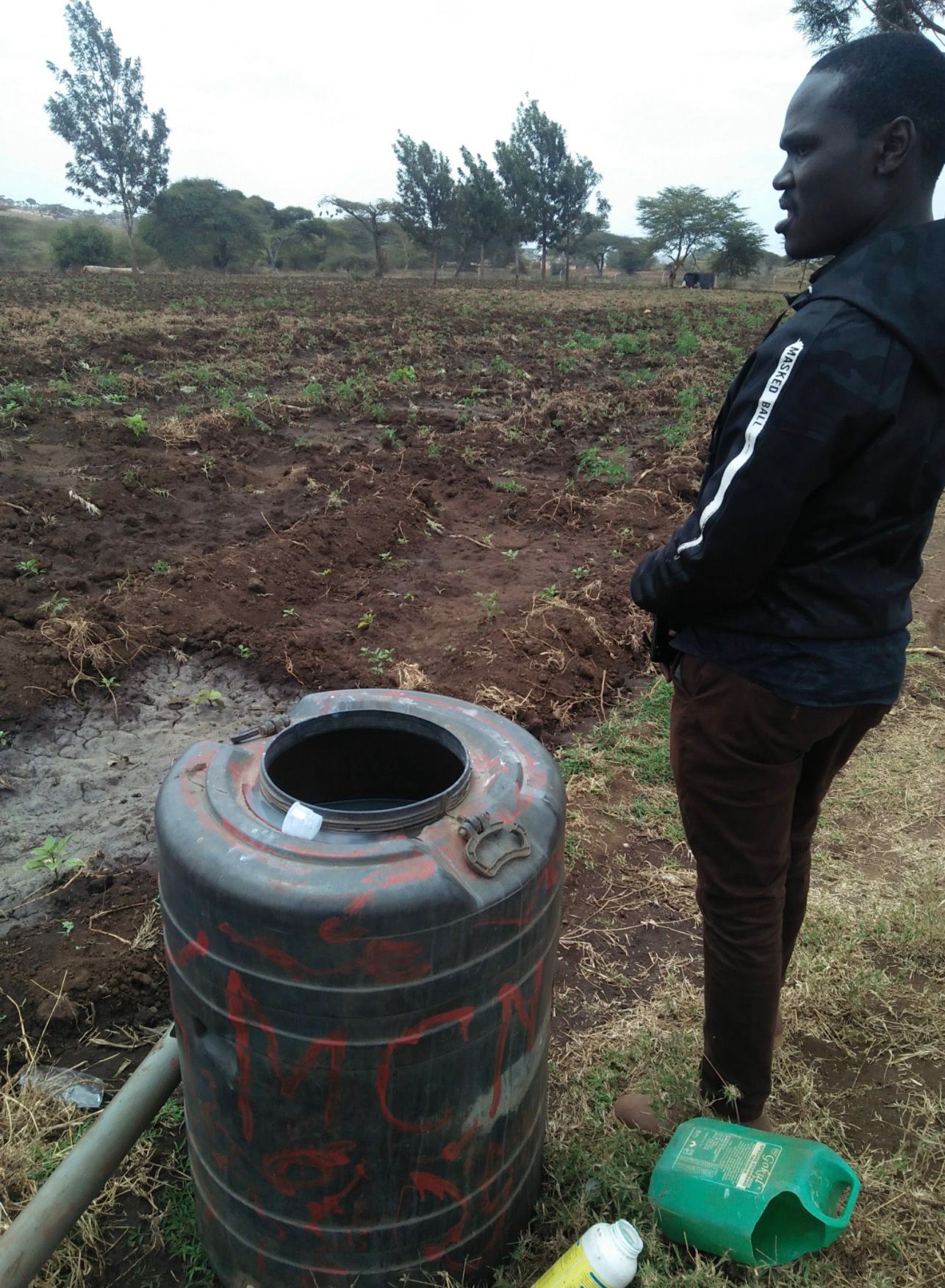
Water storage and pipes sit near the field, showing the practical setup used to support crop watering.
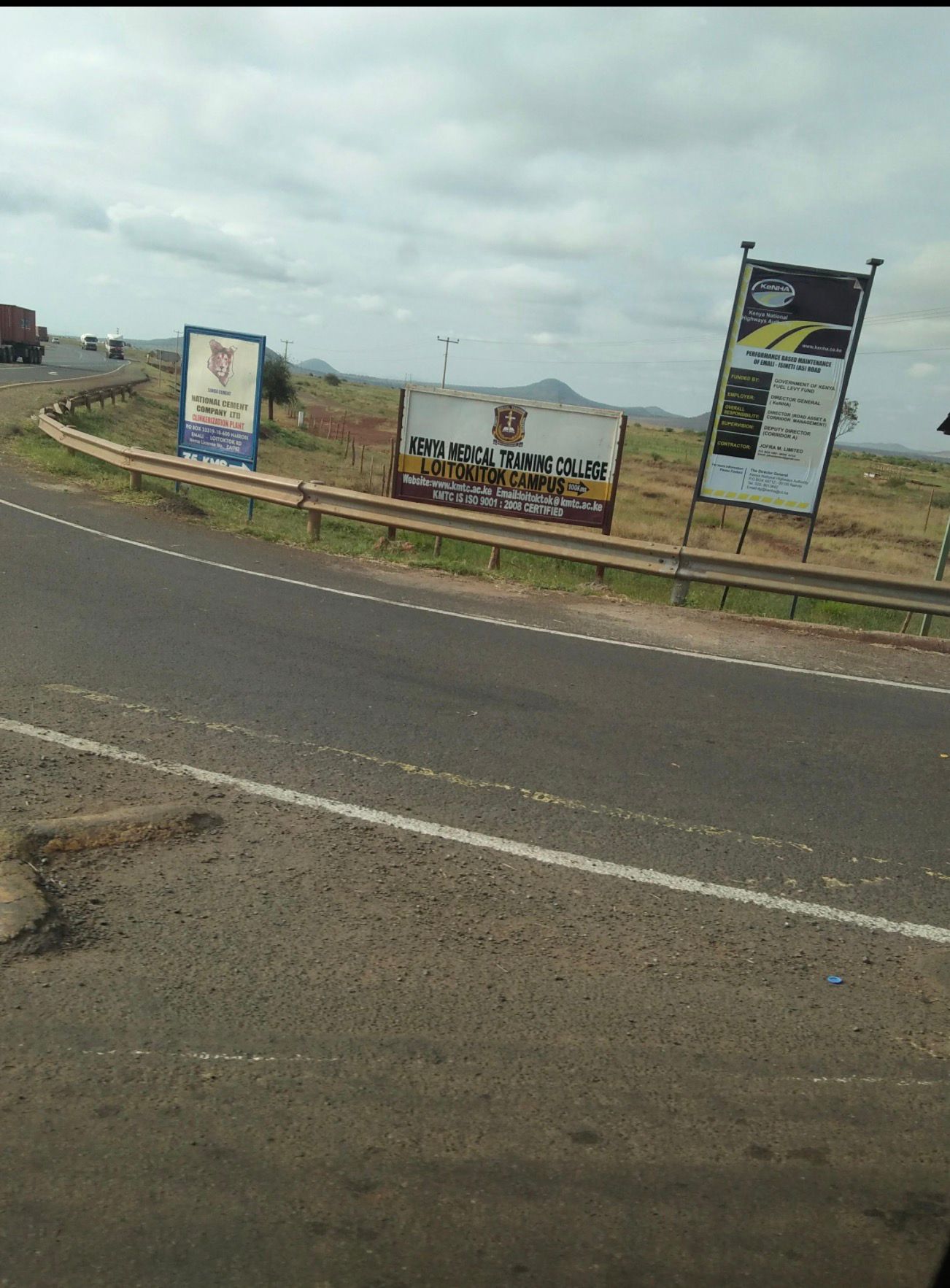
The road view shows the wider location and access point connected to the farming area.
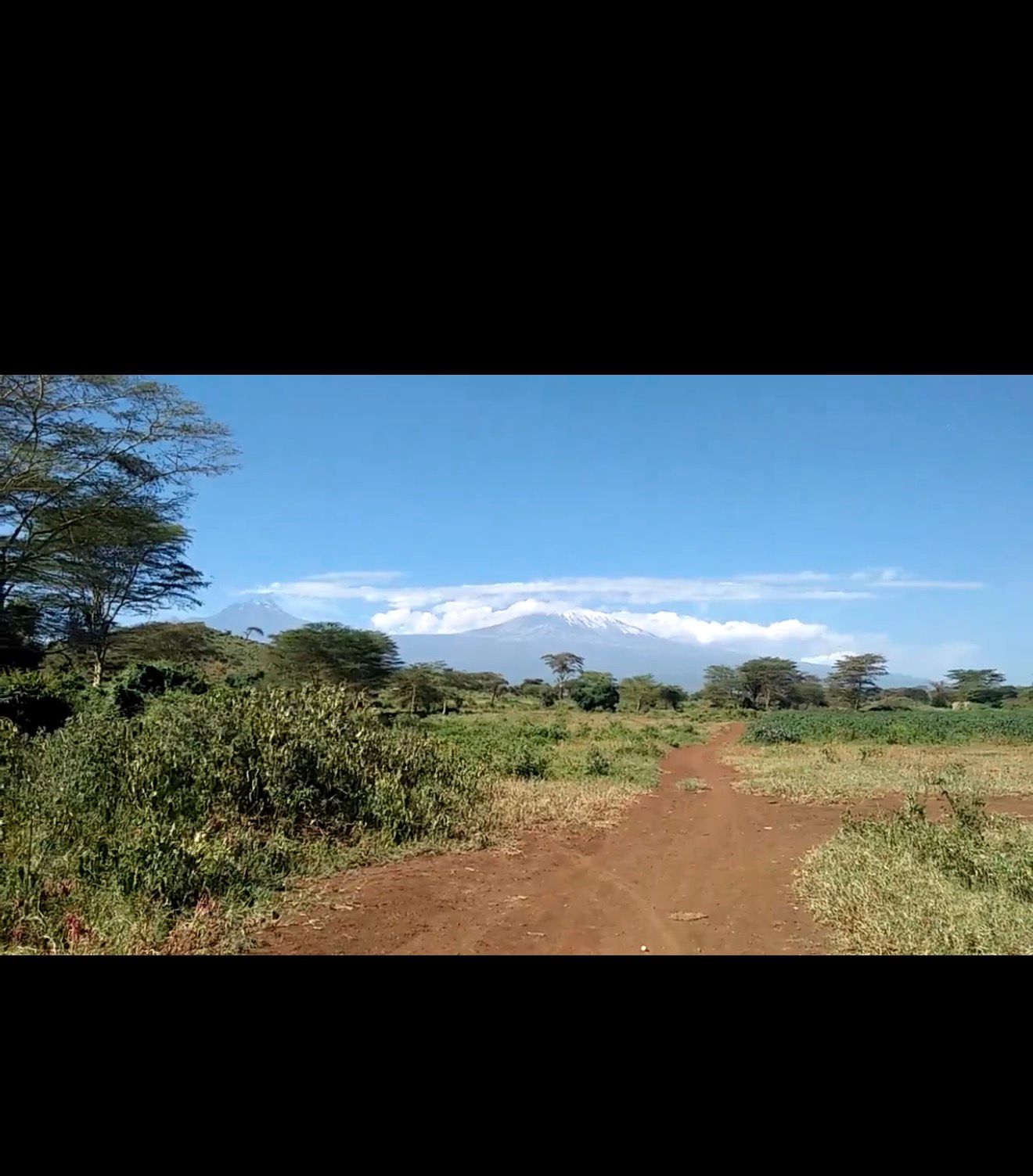
A rural road leads toward the farmland, giving context for how people and produce move in and out.
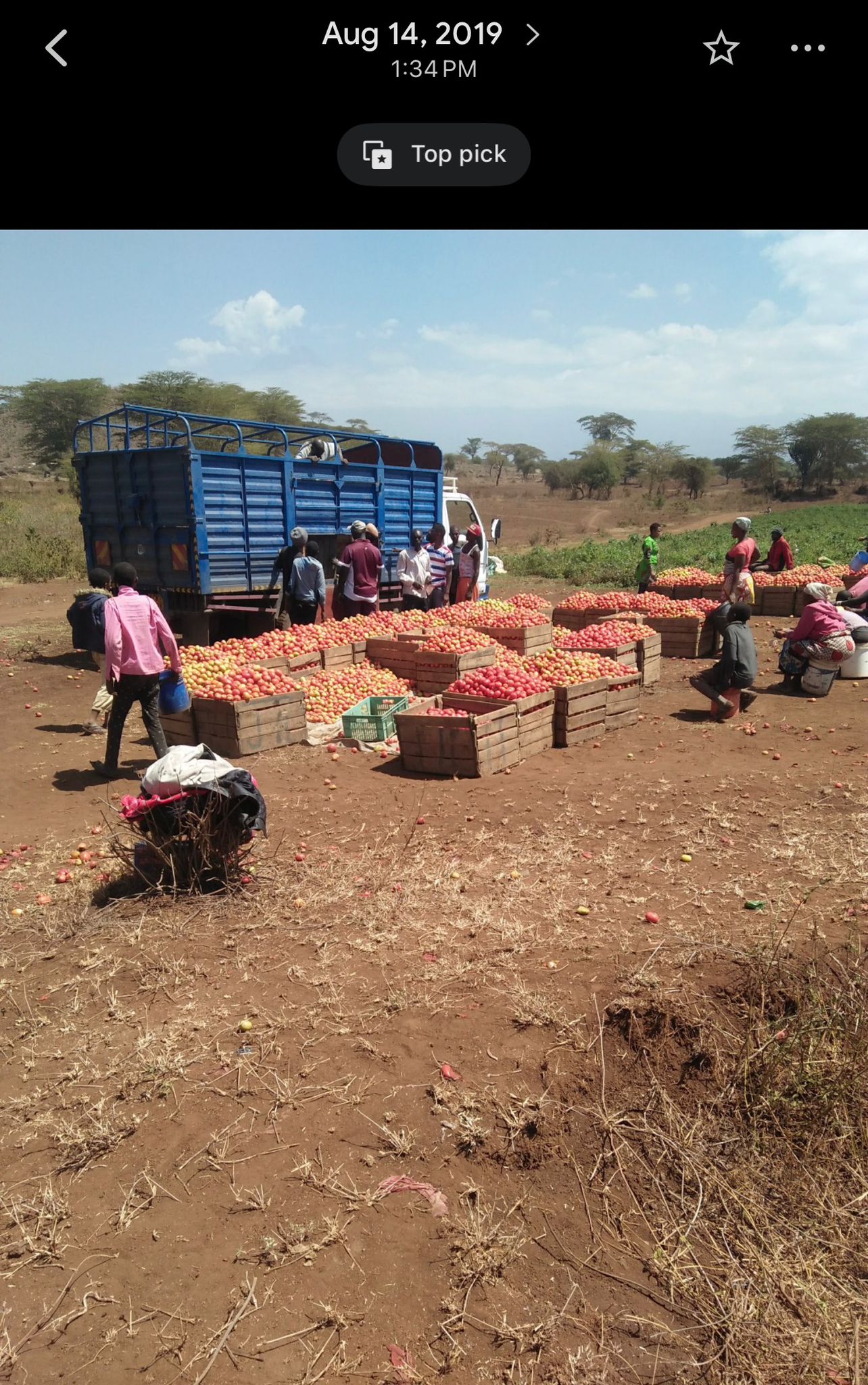
Crates, workers, and a farm truck show the harvest area during a busy collection moment.
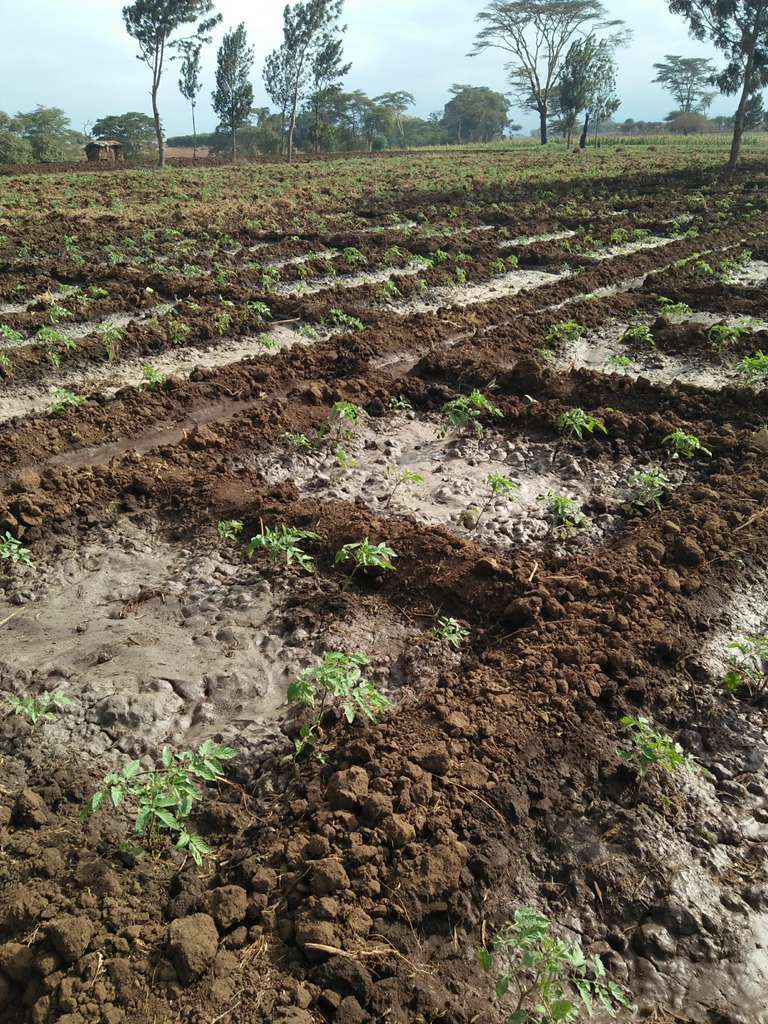
The field rows are shaped and watered, showing the soil preparation needed before crops mature.
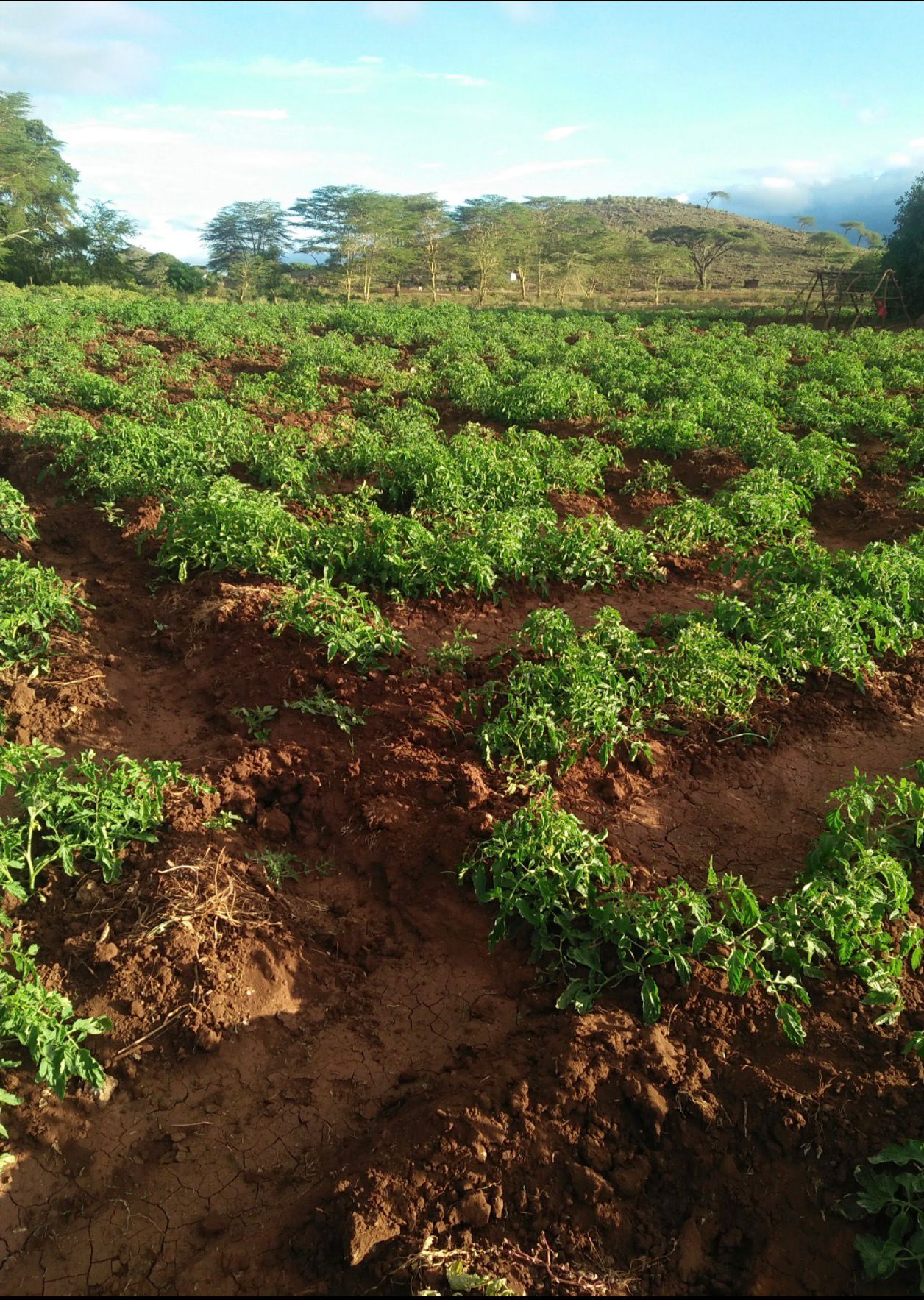
Green crops grow in a raised bed, showing healthy development after planting and field care.
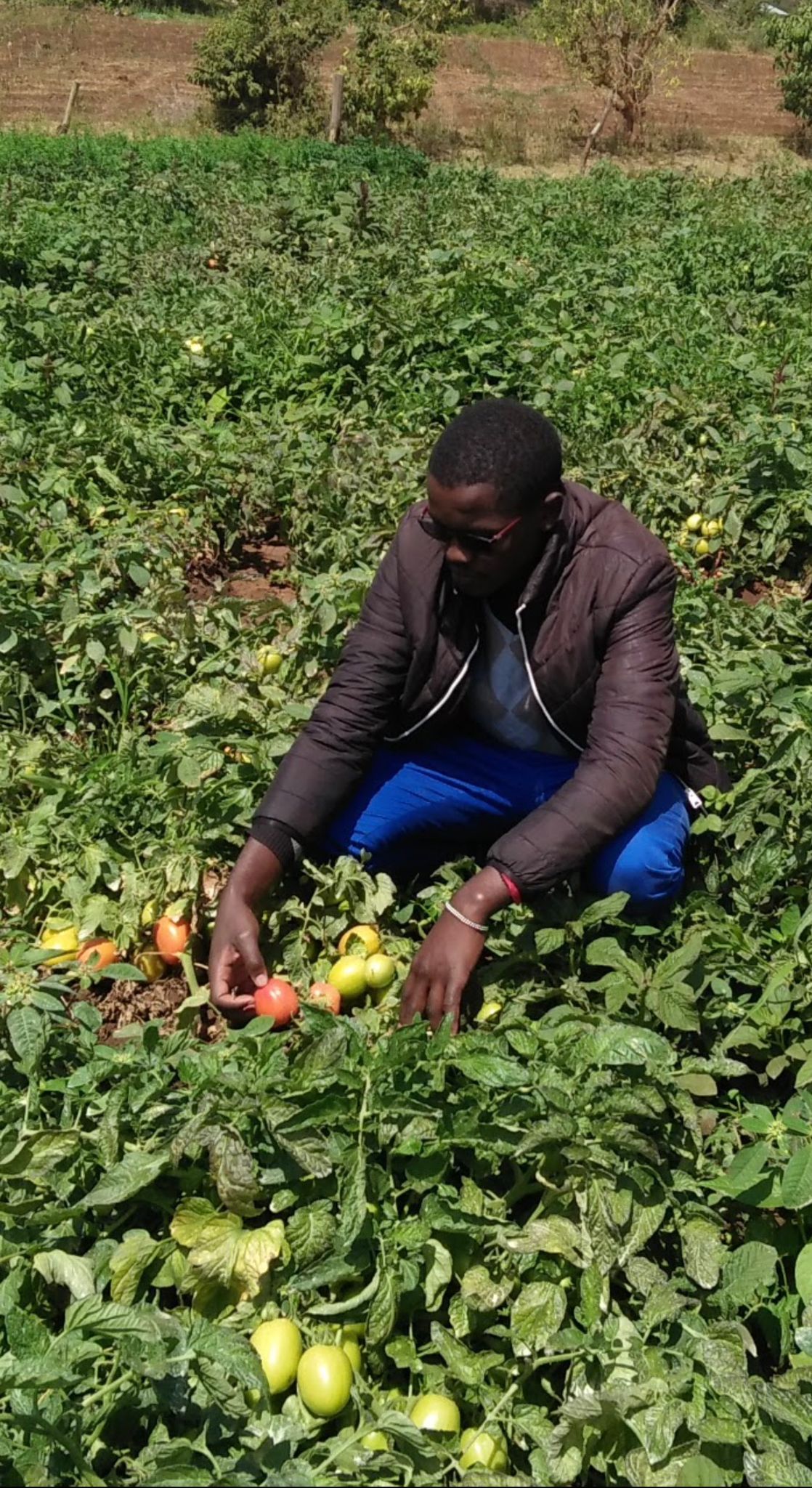
A farmer gathers green produce by hand, showing the close, practical work behind each harvest.
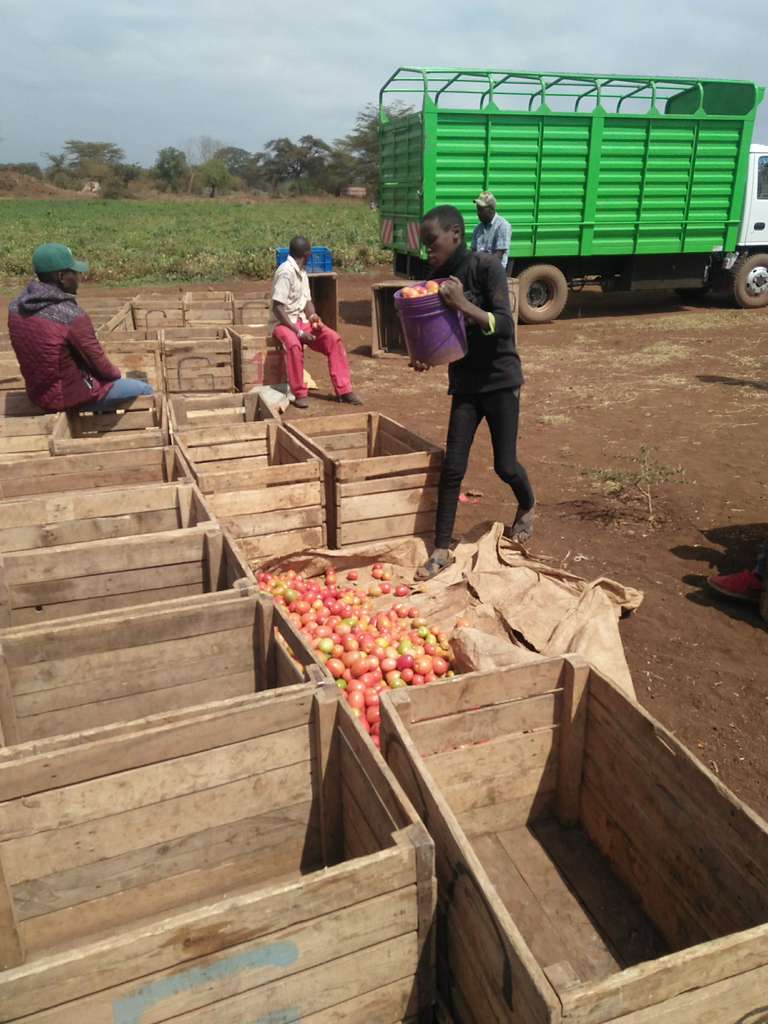
Wooden crates filled with tomatoes sit beside the truck as the harvest is organized for transport.
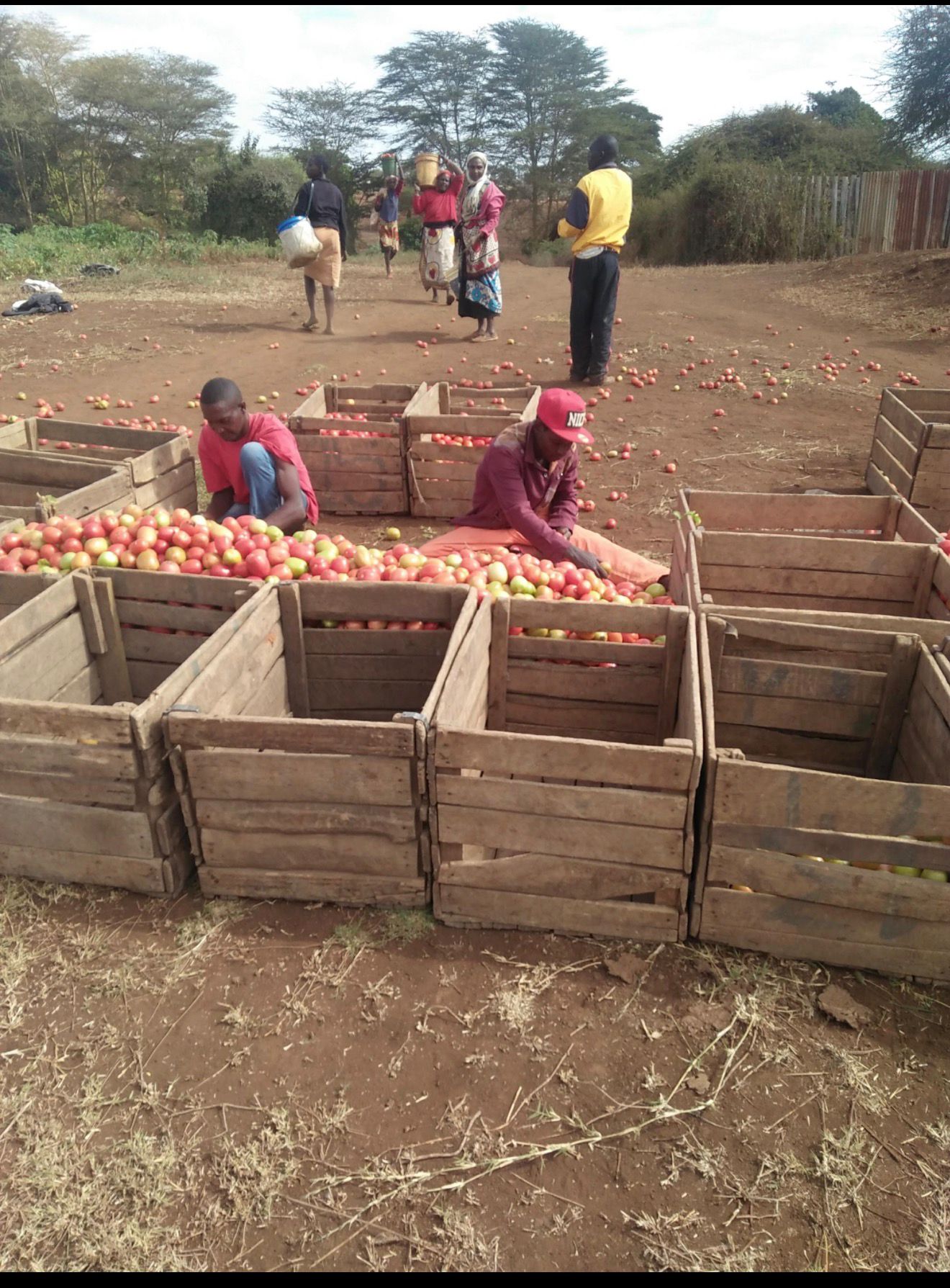
Harvested tomatoes are packed in rows of crates while workers prepare the produce for the next step.
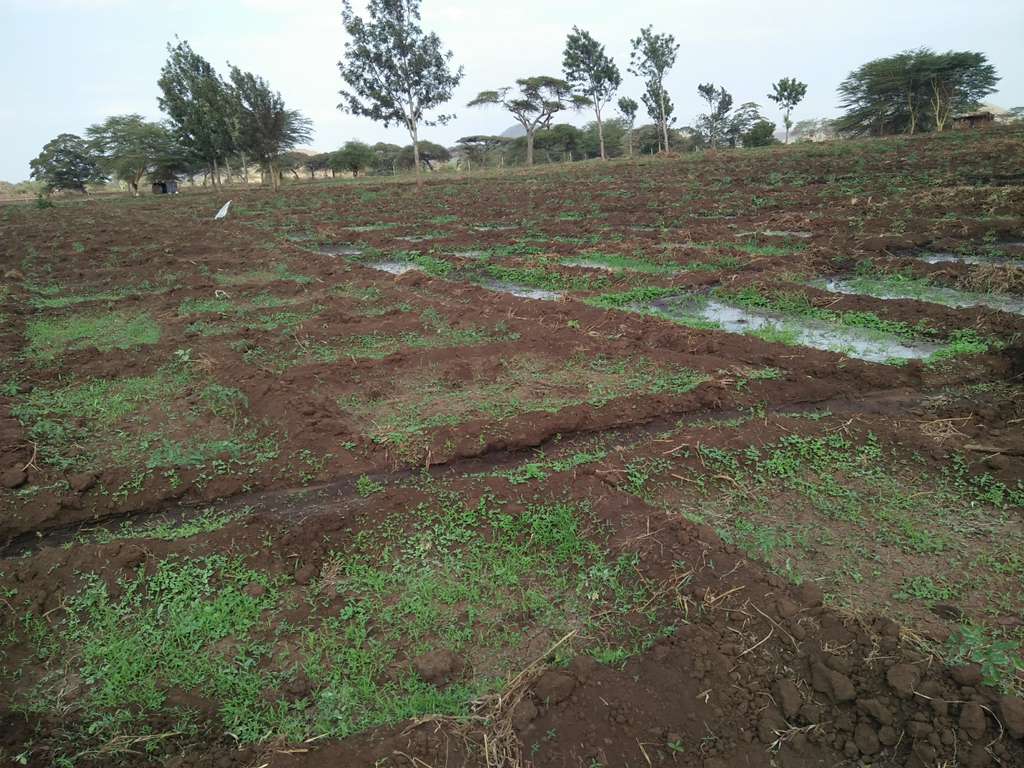
Young plants line the prepared field, showing the early growth stage of the farm project.
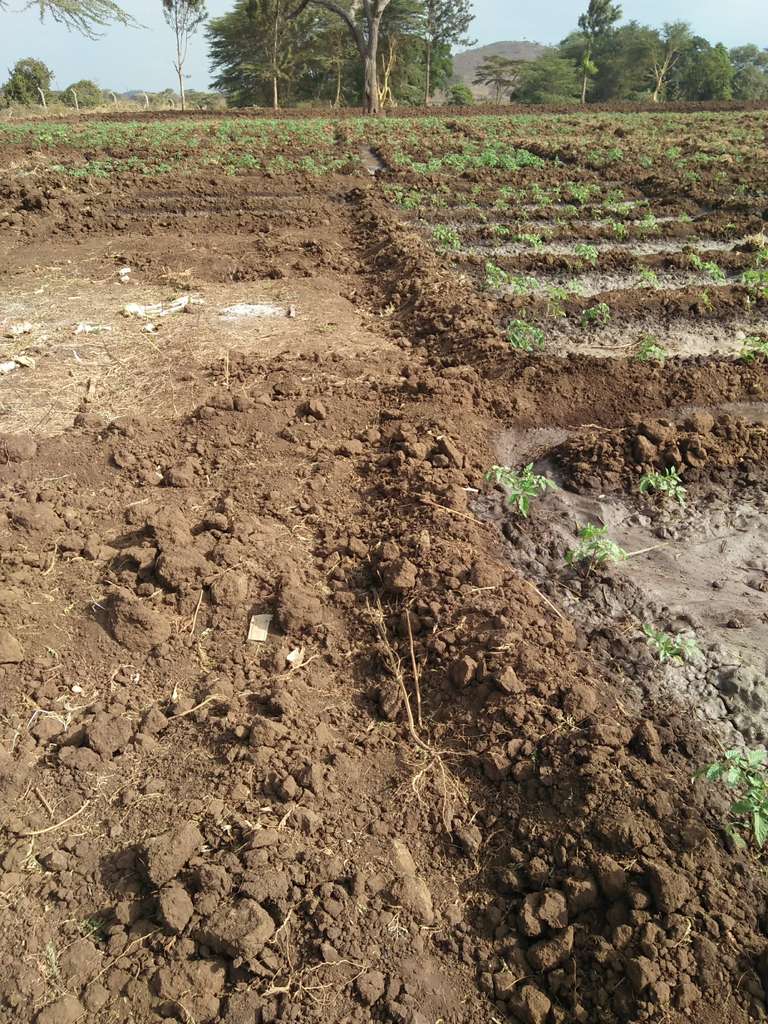
Prepared soil rows show the practical field work needed before crops can grow well.
Your support helps keep agricultural work practical and consistent, from crop care to harvest handling and community benefit.